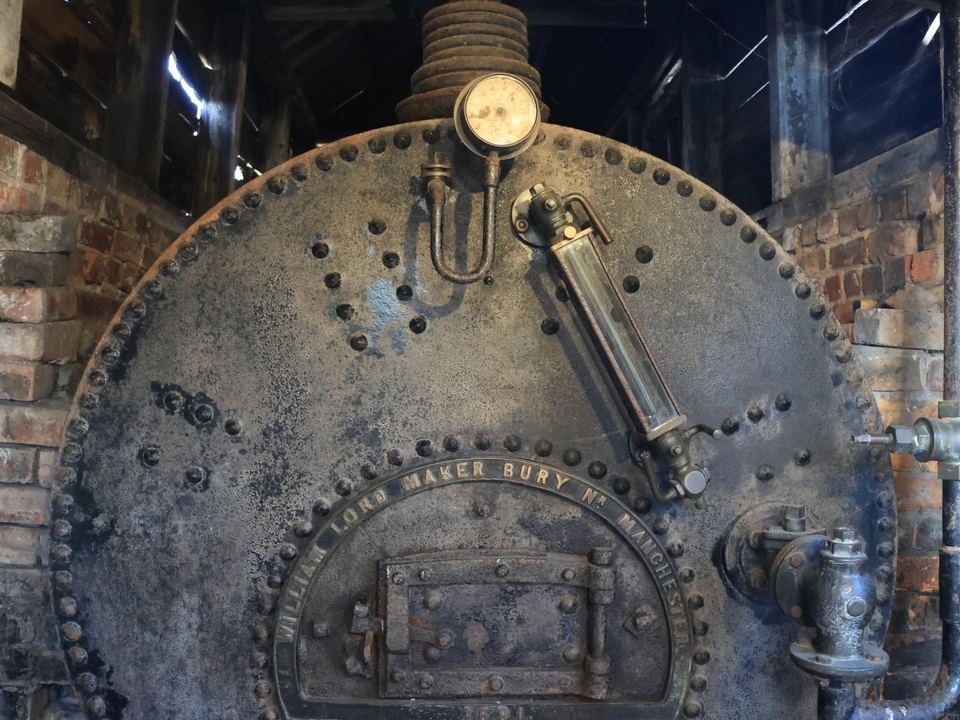
B-101
Utilities
Steam Boiler
500 kg/h · 10 bar · diesel or biomass fired
Supplies steam to the reactor jacket and hot water for cleaning.

Services
Projects
Other
14 line items in process order, each with its tag, specification, quantity, power and an indicative unit price.
500 kg/h · 10 bar · diesel or biomass fired
Supplies steam to the reactor jacket and hot water for cleaning.
5,000 L each · steam coil · transfer pump
Store and melt palm oil, coconut oil and tallow before dosing.
1 t batch · SS304 · steam jacket · anchor agitator
Oils react with caustic soda at 80–90 °C for about 4 hours to form soap.
Chill-roll dryer · 250 kg/h · noodle output
Brings neat soap to about 12 % moisture and forms it into noodles.
200 kg batch · twin Z-blades · tilting trough
Blends soap noodles with fragrance, colour and preservatives.
Stone or steel rolls · 300 kg/h
Refines the mix into a smooth, homogeneous soap.
300 kg/h · vacuum de-aeration · heated nozzle
Compacts and extrudes soap into a continuous, air-free bar.
Up to 120 bars/min · custom logo dies
Cuts the bar to weight and stamps your logo on each tablet.
Up to 120 packs/min · printed film · date coder
Wraps each bar in printed film, then bars are cartoned.
1,000 L · SS304 · variable-speed agitator
Blend SLES, CAPB, salt, fragrance and preservative into hand soap, dish soap or detergent.
500 L/h · softener + RO
Makes low-mineral water so liquids stay clear and stable.
6 heads · piston fill · 500 ml–5 L · 1,200 bottles/h
Fills bottles and jerrycans accurately by volume.
Spindle capper · self-adhesive labels · 1,200 bottles/h
Caps, labels and codes every bottle.
pH meter · viscometer · titration kit · incubator
Checks free alkali, TFM, pH, viscosity and microbial counts.
Indicative ex-works prices (US$, 2026) for budgeting a sample project, not quotations. Photos are illustrative of each machine class.
10 unit operations in order, with the equipment that performs each and its control point.
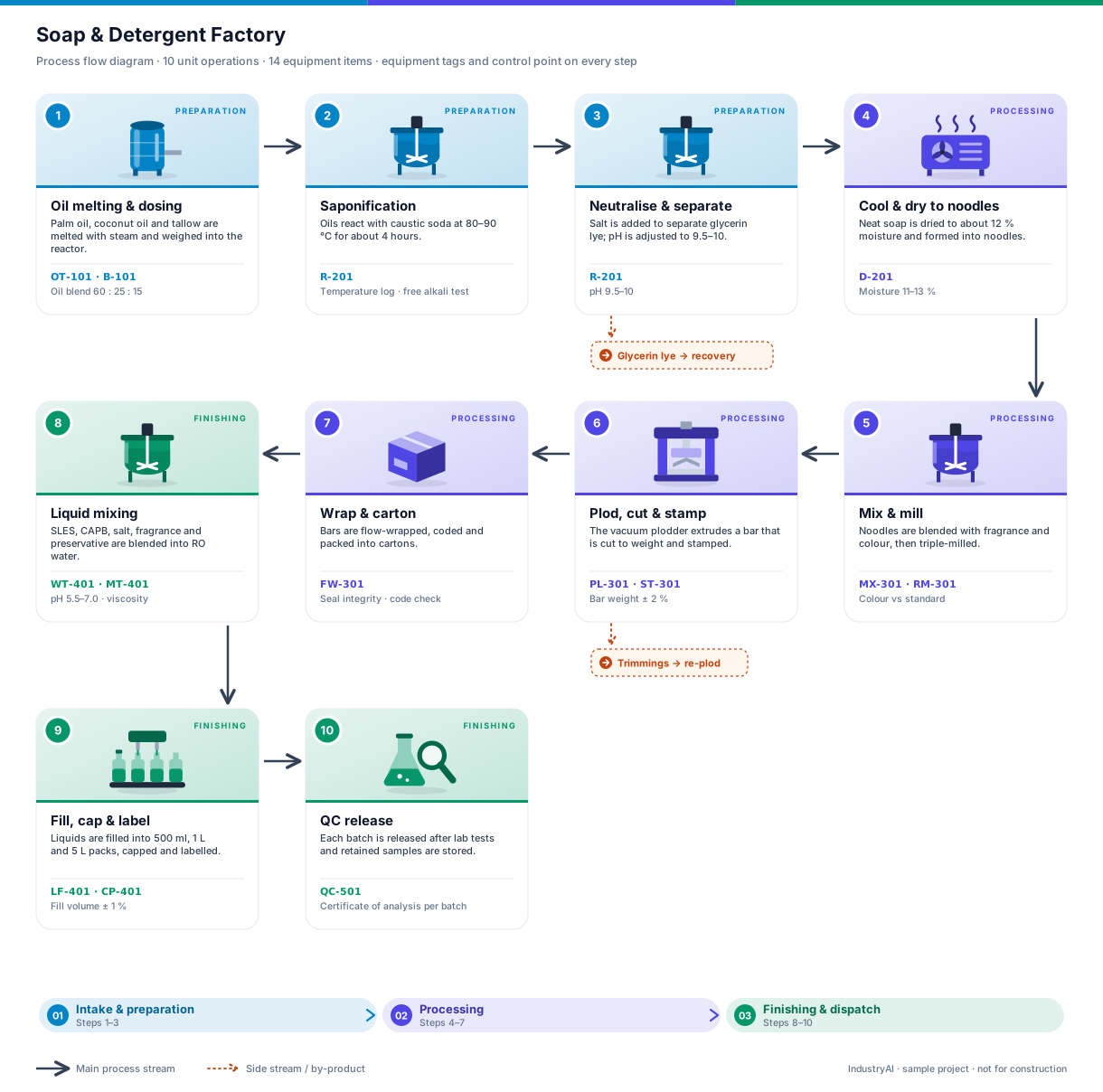
| Step | Operation | Equipment | Control point |
|---|---|---|---|
| 01 | Oil melting & dosingPalm oil, coconut oil and tallow are melted with steam and weighed into the reactor. | OT-101 Oil Storage & Melting TanksB-101 Steam Boiler |
Oil blend 60 : 25 : 15 |
| 02 | SaponificationOils react with caustic soda at 80–90 °C for about 4 hours. | R-201 Jacketed Saponification Reactor |
Temperature log · free alkali test |
| 03 | Neutralise & separateSalt is added to separate glycerin lye; pH is adjusted to 9.5–10.Glycerin lye → recovery | R-201 Jacketed Saponification Reactor |
pH 9.5–10 |
| 04 | Cool & dry to noodlesNeat soap is dried to about 12 % moisture and formed into noodles. | D-201 Soap Cooling & Drying Unit |
Moisture 11–13 % |
| 05 | Mix & millNoodles are blended with fragrance and colour, then triple-milled. | MX-301 Sigma Mixer (Amalgamator)RM-301 Triple-Roll Mill |
Colour vs standard |
| 06 | Plod, cut & stampThe vacuum plodder extrudes a bar that is cut to weight and stamped.Trimmings → re-plod | PL-301 Duplex Vacuum PlodderST-301 Bar Cutter & Stamping Press |
Bar weight ± 2 % |
| 07 | Wrap & cartonBars are flow-wrapped, coded and packed into cartons. | FW-301 Flow-Wrap Packaging Machine |
Seal integrity · code check |
| 08 | Liquid mixingSLES, CAPB, salt, fragrance and preservative are blended into RO water. | WT-401 Process Water RO UnitMT-401 Liquid Mixing Tanks with Agitator |
pH 5.5–7.0 · viscosity |
| 09 | Fill, cap & labelLiquids are filled into 500 ml, 1 L and 5 L packs, capped and labelled. | LF-401 Automatic Liquid Filling MachineCP-401 Capper & Wrap-Around Labeller |
Fill volume ± 1 % |
| 10 | QC releaseEach batch is released after lab tests and retained samples are stored. | QC-501 QC Laboratory |
Certificate of analysis per batch |
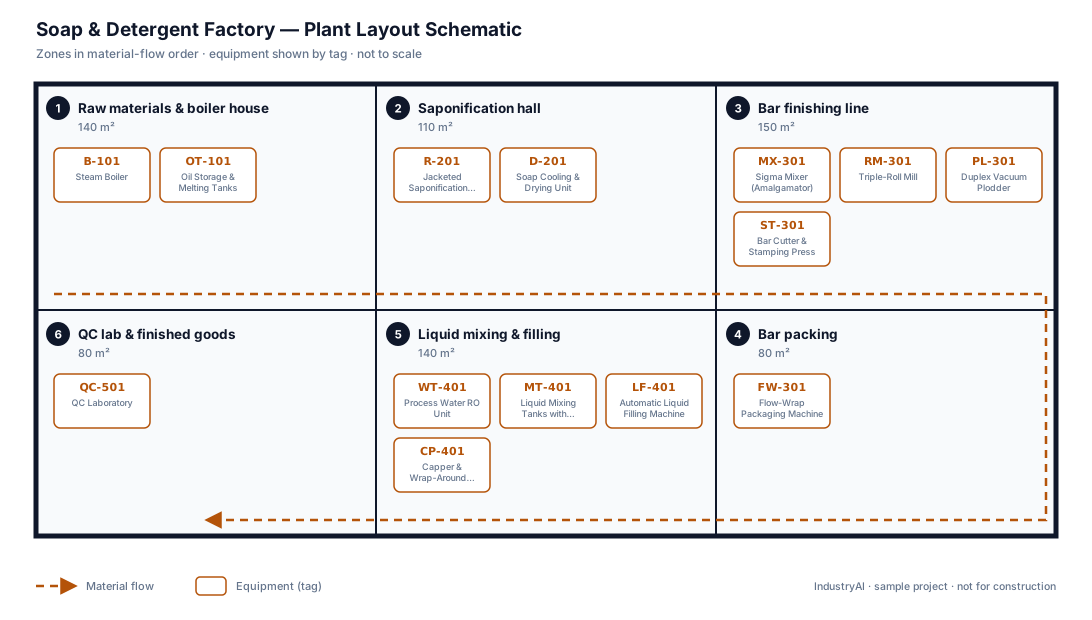
6 zones arranged for one-way material flow, with every item of equipment placed by tag.
Jacketed heating gives even temperature and no scorched soap.
De-aerated bars are dense, crack-free and last longer in use.
Custom dies stamp your logo on every bar.
Glycerin lye can be recovered and sold; trimmings go back into the plodder.
The liquid line shares utilities and QC with the bar line.
Every batch gets a certificate of analysis before it ships.
The core routines operators follow, from start-up to batch release.
5 sections: open any one to read it, or download the whole document.
CleanPro Manufacturing produces bar soap, liquid hand soap, dishwashing liquid, and laundry detergent targeting the mass-market consumer segment in Kenya and East Africa. With Kenya's soap market valued at KES 45 billion and growing 8% annually, there is strong demand for affordable, quality hygiene products.
| Metric | Value |
|---|---|
| Product Lines | 4 (bar soap, hand soap, dish soap, laundry detergent) |
| Daily Production | 5 tonnes (bar soap) + 3,000 liters (liquids) |
| Initial Investment | KES 12,000,000 (~$92,000) |
| Year 1 Revenue | KES 48,000,000 |
| Break-even | Month 7 |
| Ingredient | Quantity | Cost/kg (KES) | Total (KES) |
|---|---|---|---|
| Palm oil (RBD) | 42 kg | 150 | 6,300 |
| Coconut oil | 18 kg | 200 | 3,600 |
| Tallow | 10 kg | 100 | 1,000 |
| Sodium hydroxide (NaOH) | 14 kg | 80 | 1,120 |
| Salt | 5 kg | 20 | 100 |
| Fragrance | 1.5 kg | 800 | 1,200 |
| Color & additives | 0.5 kg | 500 | 250 |
| Water | 9 kg | -- | 20 |
| Total per 100kg | 100 kg | 13,590 | |
| Cost per kg | 136 |
| Metric | Year 1 | Year 2 | Year 3 |
|---|---|---|---|
| Revenue | 48,000,000 | 72,000,000 | 108,000,000 |
| Raw Materials (40%) | 19,200,000 | 28,800,000 | 43,200,000 |
| Labor | 7,200,000 | 9,600,000 | 14,400,000 |
| Overheads | 8,400,000 | 10,800,000 | 15,120,000 |
| Net Profit | 13,200,000 | 22,800,000 | 35,280,000 |
| Net Margin | 28% | 32% | 33% |
Monthly fixed costs: KES 2,800,000. Contribution margin per unit (200g bar): KES 18. Break-even volume: 155,556 bars/month (5,185 bars/day). At 70% capacity utilization, break-even is achieved in Month 7.
| Requirement | Authority | Status |
|---|---|---|
| KEBS Product Certification (KS 574 for soap) | KEBS | Required before sales |
| NEMA Environmental License | NEMA | Required for chemical waste |
| OSHA Workplace Safety | DOSH | Annual audit |
| County Trade License | County Government | Annual renewal |
| EAC Quality Mark | EAC Secretariat | For regional export |
Equipment specifications, process flow diagrams, recipes and the business plan, bundled as one download.
We use strictly necessary cookies to sign you in and keep the site secure. With your consent we also use functional and analytics cookies to remember your preferences and understand which features get used. We do not use advertising cookies. Read our Cookie Policy.
Declining does not limit any paid feature. Change your choice any time via "Cookie Settings" in the footer.