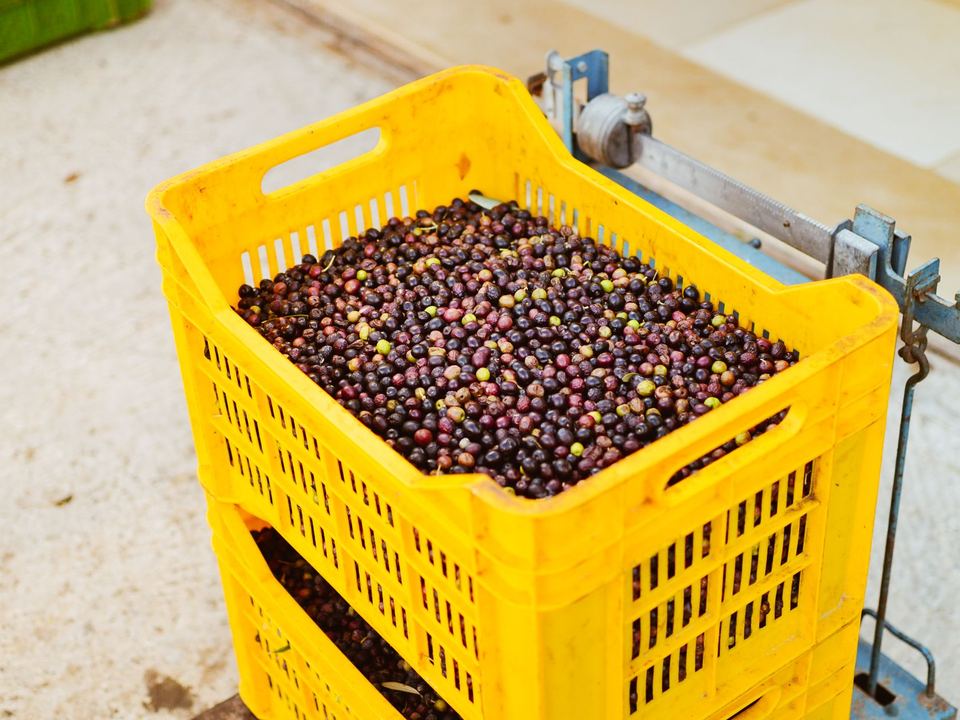
Bright yellow crate filled with freshly harvested berries on an outdoor scale.
WB-101 Receiving Platform Scale 3 t capacity · 1.5 × 1.5 m SS deck · ticket printer
Illustrative photo
Equipment list

Everything the plant needs

18 line items in process order, each with its tag, specification, quantity, power and an indicative unit price.

Equipment list (CSV)
WB-101
Receiving

Receiving Platform Scale

3 t capacity · 1.5 × 1.5 m SS deck · ticket printer

Weighs every incoming crate lot against the supplier delivery note for payment and traceability.

Qty
2
Power
0.1 kW
Unit price
$1,500–2,800
SG-102
Sorting

Roller Sorting & Inspection Conveyor

1.5 t/h · 6 m rotating rollers · 8 grading stations · LED lighting

Rotates fruit under bright light so graders can pull rejects and split ripeness classes.

Qty
1
Power
1.5 kW
Unit price
$7,000–12,000
WS-201
Washing

Bubble Washer with Sanitiser Dosing

1.5 t/h · air-bubble agitation · spray rinse · PAA dosing pump

Tumbles fruit in sanitised water to lift soil and cut the microbial load before cutting.

Qty
1
Power
5.5 kW
Unit price
$12,000–20,000
PT-301
Preparation

SS Prep Tables & Knife Sterilisers

SS304 · 2.4 m · 6 stations each · 82 °C knife steriliser

Hand peeling of mango, hulling of strawberries and trimming, with knives sterilised between cuts.

Qty
8
Power
0.3 kW
Unit price
$1,200–2,000
DC-302
Preparation

Industrial Fruit Dicer

Up to 1 t/h · 10/15/20 mm cubes & slices · SS316 contact parts

Cuts peeled mango cheeks into uniform cubes or slices so they freeze evenly.

Qty
1
Power
3 kW
Unit price
$18,000–32,000
AV-303
Preparation

Avocado Halving & Destoning Machine

≈ 3,000 fruit/h · size-adjustable cups · stone ejector

Splits each avocado, removes the stone and presents halves for hand peeling.

Qty
1
Power
2.2 kW
Unit price
$22,000–38,000
PL-304
Preparation

Avocado Pulper & Vacuum Mixer

400 kg/h · 1.5 mm finisher screen · 300 L vacuum mixer

Turns peeled avocado flesh into smooth pulp mixed with antioxidant under vacuum to stop browning.

Qty
1
Power
5.5 kW
Unit price
$16,000–28,000
AB-401
Dipping

Anti-Browning Dip Conveyor

1 t/h · 800 L SS tank · 60–90 s immersion · dosing & recirculation

Submerges cut fruit in an ascorbic/citric acid solution so avocado and mango keep their colour.

Qty
1
Power
2.2 kW
Unit price
$8,000–14,000
DW-402
Dewatering

Vibratory Dewatering Shaker & Air Knife

1 t/h · perforated SS deck · 2.2 kW blower air knife

Shakes and blows off surface water so pieces freeze free-flowing instead of in clumps.

Qty
1
Power
4 kW
Unit price
$6,000–11,000
LCO-501
Cryogen supply

Liquid CO₂ Bulk Storage Tank

30 t · 20 bar / −20 °C · PU insulation · refrigeration unit · telemetry

Stores about three days of food-grade liquid CO₂ and feeds the tunnel and pelletiser.

Qty
1
Power
7.5 kW
Unit price
$70,000–110,000
CF-502
Freezing

CO₂ Cryogenic Tunnel Freezer

500 kg/h · 1.2 × 12 m mesh belt · −70 °C · snow nozzles + gas exhaust

Blasts CO₂ snow onto the fruit so pieces reach −18 °C at the core in minutes with minimal drip loss.

Qty
1
Power
18 kW
Unit price
$120,000–200,000
GL-503
Glazing

Spray Glazing Conveyor

500 kg/h · chilled potable water spray · 3–5 % glaze

Adds a thin ice glaze that protects frozen pieces from freezer burn in long storage.

Qty
1
Power
1.5 kW
Unit price
$6,000–11,000
DI-601
Dry ice

Dry-Ice Pelletiser

100 kg/h · 3 & 16 mm dies · hydraulic press · 4 insulated 300 kg bins

Converts liquid CO₂ into dense dry-ice pellets that keep air-freight boxes frozen for 72 hours.

Qty
1
Power
15 kW
Unit price
$40,000–65,000
PK-701
Packing

Multihead Weigher & Bagging Machine

10-head · 0.5–2.5 kg bags · 30 bags/min · frozen-product version

Weighs free-flowing frozen pieces into sealed, lot-coded retail and food-service bags.

Qty
1
Power
5 kW
Unit price
$32,000–55,000
MD-702
Packing

Conveyor Metal Detector with Reject

Fe 2.0 · non-Fe 2.5 · SS 3.0 mm · air-blast reject · IP69K

Checks every bag and carton for metal and rejects contaminated packs automatically.

Qty
1
Power
0.6 kW
Unit price
$8,000–14,000
CS-801
Storage

−25 °C Frozen Store

200 t · ≈ 250 pallets · 150 mm PU panels · twin condensing units

Holds packed product at −25 °C until reefer or air-freight dispatch.

Qty
1
Power
40 kW
Unit price
$80,000–130,000
GS-901
Safety

O₂/CO₂ Monitoring & Extraction System

8 fixed O₂/CO₂ sensors · beacons & sirens · low-level extraction fans

Alarms and ventilates automatically if CO₂ rises or oxygen falls in the freezing and dry-ice areas.

Qty
1
Power
5.5 kW
Unit price
$9,000–16,000
QC-902
Quality

Quality-Control Lab Kit

Refractometer · pH meter · probe thermometers · incubator · autoclave

Tests Brix, dry matter, core temperature and microbiology for every production lot.

Qty
1
Power
2 kW
Unit price
$7,000–13,000
Line items18
Machines26
Connected load≈ 122 kW
Equipment budgetUS$473,600 – 790,600

Indicative ex-works prices (US$, 2026) for budgeting a sample project, not quotations. Photos are illustrative of each machine class.

Process flow diagram

From raw material to dispatch

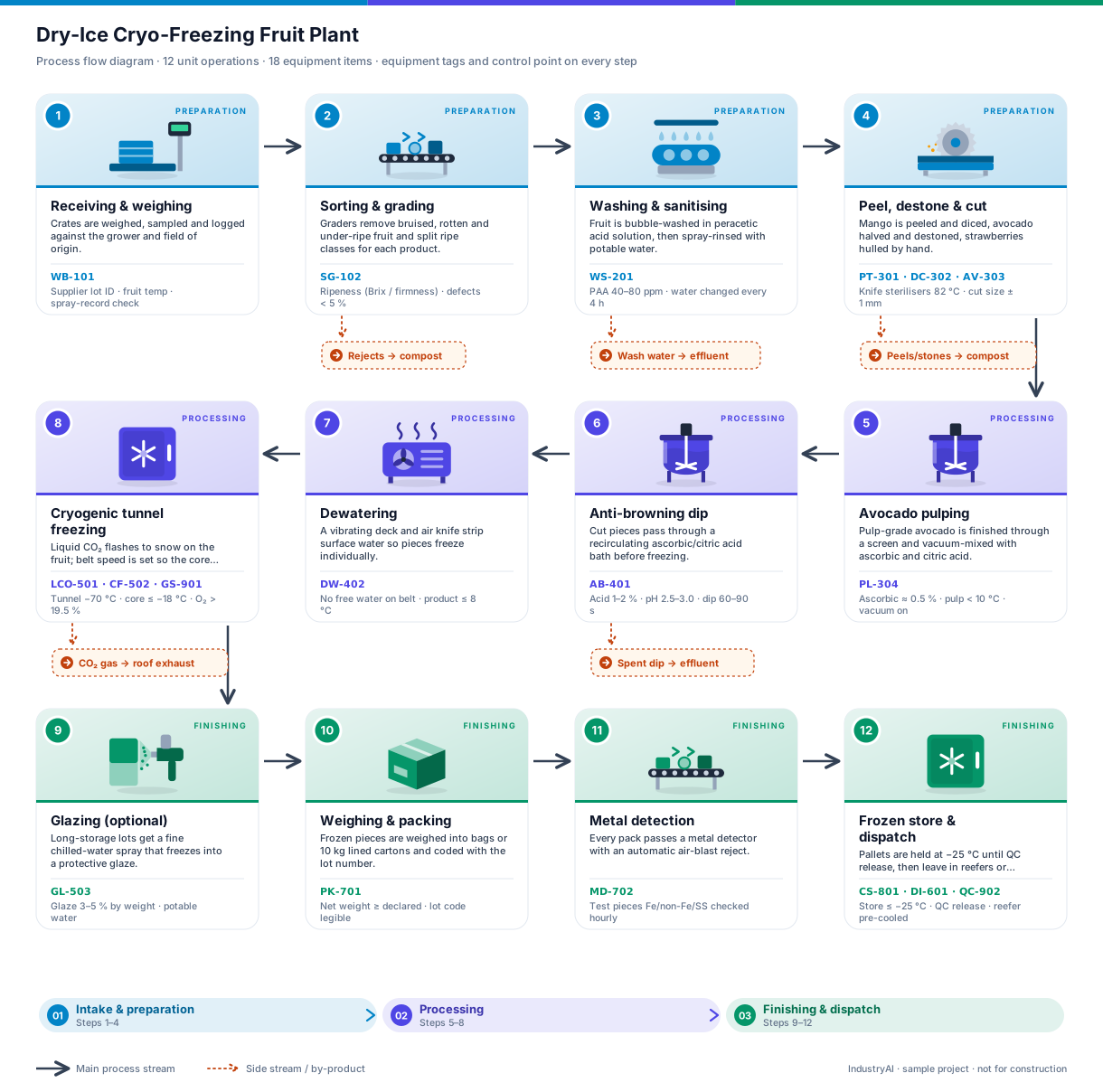
12 unit operations in order, with the equipment that performs each and its control point.

Download PFD (SVG)
Process flow diagram of the Dry-Ice Cryo-Freezing Fruit Plant: 1. Receiving & weighing, 2. Sorting & grading, 3. Washing & sanitising, 4. Peel, destone & cut, 5. Avocado pulping, 6. Anti-browning dip, 7. Dewatering, 8. Cryogenic tunnel freezing, 9. Glazing (optional), 10. Weighing & packing, 11. Metal detection, 12. Frozen store & dispatch.
StepOperationEquipmentControl point
01 Receiving & weighingCrates are weighed, sampled and logged against the grower and field of origin. WB-101 Receiving Platform Scale Supplier lot ID · fruit temp · spray-record check
02 Sorting & gradingGraders remove bruised, rotten and under-ripe fruit and split ripe classes for each product.Rejects → compost SG-102 Roller Sorting & Inspection Conveyor Ripeness (Brix / firmness) · defects < 5 %
03 Washing & sanitisingFruit is bubble-washed in peracetic acid solution, then spray-rinsed with potable water.Wash water → effluent WS-201 Bubble Washer with Sanitiser Dosing PAA 40–80 ppm · water changed every 4 h
04 Peel, destone & cutMango is peeled and diced, avocado halved and destoned, strawberries hulled by hand.Peels/stones → compost PT-301 SS Prep Tables & Knife SterilisersDC-302 Industrial Fruit DicerAV-303 Avocado Halving & Destoning Machine Knife sterilisers 82 °C · cut size ± 1 mm
05 Avocado pulpingPulp-grade avocado is finished through a screen and vacuum-mixed with ascorbic and citric acid. PL-304 Avocado Pulper & Vacuum Mixer Ascorbic ≈ 0.5 % · pulp < 10 °C · vacuum on
06 Anti-browning dipCut pieces pass through a recirculating ascorbic/citric acid bath before freezing.Spent dip → effluent AB-401 Anti-Browning Dip Conveyor Acid 1–2 % · pH 2.5–3.0 · dip 60–90 s
07 DewateringA vibrating deck and air knife strip surface water so pieces freeze individually. DW-402 Vibratory Dewatering Shaker & Air Knife No free water on belt · product ≤ 8 °C
08 Cryogenic tunnel freezingLiquid CO₂ flashes to snow on the fruit; belt speed is set so the core reaches −18 °C at exit.CO₂ gas → roof exhaust LCO-501 Liquid CO₂ Bulk Storage TankCF-502 CO₂ Cryogenic Tunnel FreezerGS-901 O₂/CO₂ Monitoring & Extraction System Tunnel −70 °C · core ≤ −18 °C · O₂ > 19.5 %
09 Glazing (optional)Long-storage lots get a fine chilled-water spray that freezes into a protective glaze. GL-503 Spray Glazing Conveyor Glaze 3–5 % by weight · potable water
10 Weighing & packingFrozen pieces are weighed into bags or 10 kg lined cartons and coded with the lot number. PK-701 Multihead Weigher & Bagging Machine Net weight ≥ declared · lot code legible
11 Metal detectionEvery pack passes a metal detector with an automatic air-blast reject. MD-702 Conveyor Metal Detector with Reject Test pieces Fe/non-Fe/SS checked hourly
12 Frozen store & dispatchPallets are held at −25 °C until QC release, then leave in reefers or dry-ice-packed air boxes. CS-801 −25 °C Frozen StoreDI-601 Dry-Ice PelletiserQC-902 Quality-Control Lab Kit Store ≤ −25 °C · QC release · reefer pre-cooled
Schematic

Plant layout

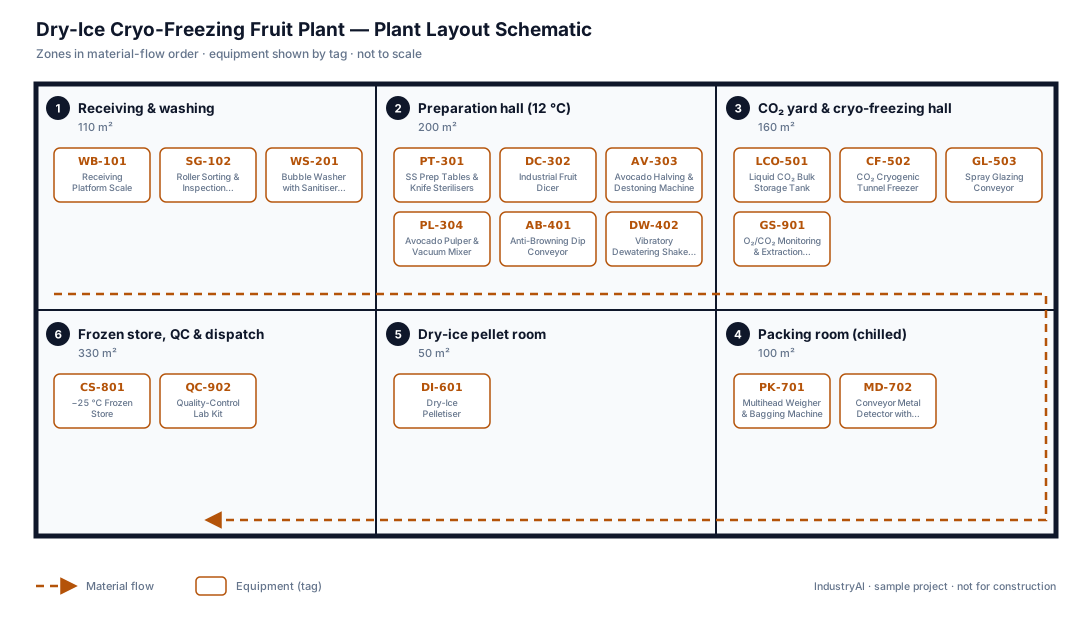
6 zones arranged for one-way material flow, with every item of equipment placed by tag.

Download layout (SVG)
Plant layout schematic of the Dry-Ice Cryo-Freezing Fruit Plant: Receiving & washing, Preparation hall (12 °C), CO₂ yard & cryo-freezing hall, Packing room (chilled), Dry-ice pellet room, Frozen store, QC & dispatch.
Features & capacities

Why this line works

Freezing in minutes

At −70 °C fruit freezes in 6–15 minutes, forming small ice crystals that keep texture and cut drip loss.

Low power, low capex

The tunnel needs only fans and a belt; the cold comes from CO₂, so no big ammonia plant is required.

Own dry-ice cold chain

Pellets made on site keep air-freight boxes frozen for 72 hours and sell to other exporters.

Colour that lasts

Ascorbic/citric dips and vacuum pulping stop avocado and mango turning brown.

CO₂ safety built in

Fixed O₂/CO₂ sensors, alarms and automatic extraction protect staff in every cold area.

Zero-waste side streams

Peels, stones and rejects go to compost; dip and wash water are treated before discharge.

Capacities

Frozen output
500 kg/h · ≈ 7 t/day (14 h)
Mango cubes / slices
500 kg/h (≈ 1,000 kg/h raw fruit)
Avocado halves / chunks
450 kg/h (≈ 730 kg/h raw fruit)
Avocado pulp
400 kg/h
Whole strawberries
500 kg/h
Dry-ice pellets
100 kg/h (3 mm & 16 mm)
Frozen storage
200 t at −25 °C (≈ 250 pallets)
Liquid CO₂ storage
30 t (≈ 3 days at full rate)

Utilities required

Electricity
≈ 170 kW connected (incl. prep-hall cooling) · 415 V 3-phase · 250 kVA genset
Liquid CO₂
≈ 10 t/day at full rate: 600 kg/h tunnel + 230 kg/h pelletiser
Potable water
≈ 25 m³/day for washing, dipping, glazing and CIP
Ventilation
Tunnel exhaust ducted above roof · low-level extraction 6–10 air changes/h
Compressed air
7 bar dry air for pneumatics, bagger and metal-detector reject
Effluent
≈ 20 m³/day via solids screen and pH balancing tank to sewer
Process instructions

Standard operating procedures

The core routines operators follow, from start-up to batch release.

01Daily start-up & CO₂ safety

  1. Check the gas-monitoring panel: all O₂/CO₂ sensors healthy, alarms tested and extraction fans on auto.
  2. Record the CO₂ tank level and pressure; call off a tanker delivery when stock falls below 1.5 days.
  3. Confirm the prep hall is at 12 °C and knife sterilisers are at 82 °C before fruit is cut.
  4. Start the tunnel exhaust first, then cool the tunnel to −70 °C with the belt running empty.
  5. Make up the dip bath and sanitiser wash and record concentrations on the start-up sheet.

02Production run

  1. Set belt speed and CO₂ flow for the product recipe (cubes, halves or whole berries).
  2. Probe the core temperature of exiting pieces every 30 minutes; slow the belt if above −18 °C.
  3. Top up the dip bath every hour and change it completely every 4 hours.
  4. Keep a lot sheet: grower lots in, packs out, rejects, CO₂ used and metal-detector checks.
  5. Never enter the tunnel or dry-ice room alone or while a CO₂ alarm is active.

03Cleaning & sanitation

  1. At end of shift remove fruit debris, then foam-clean the prep line, tunnel belt and packing area.
  2. Let the tunnel warm and defrost with doors open and exhaust running before staff enter.
  3. Rinse, sanitise with peracetic acid and verify with ATP swabs on food-contact surfaces.
  4. Weekly: environmental Listeria swabs in drains, the freezer exit and the packing room.

04Quality checks

  1. Every lot: Brix for mango and strawberry, dry matter for avocado, colour and defect count.
  2. Every lot: core temperature, net weight and glaze percentage on packed product.
  3. Weekly: total plate count, E. coli, Listeria and Salmonella on finished product.
  4. Keep retention samples of every lot at −25 °C for the full shelf life of 24 months.
Process documents

The full project document

7 sections: open any one to read it, or download the whole document.

01Executive Summary

Baridi Harvest Foods Ltd is a cryogenic fruit freezing plant in Thika, Kenya, turning avocado, mango and strawberries into premium frozen halves, cubes, slices and pulp for export. A liquid CO₂ tunnel freezer at −70 °C freezes each piece in minutes, not hours, keeping colour and texture far better than conventional blast freezing. An on-site dry-ice pelletiser keeps air-freight shipments frozen and earns extra revenue selling pellets to other exporters.

MetricValue
Frozen Output Capacity500 kg/hour (~7 tonnes/day, 1,680 t/year)
Year 1 Volume920 tonnes (55% utilisation)
Annual Revenue (Year 1)KES 325,000,000 (~$2.5M)
Initial InvestmentKES 140,000,000 (~$1.08M)
Year 1 EBITDAKES 62,000,000 (~$477,000)
Capital Payback~Month 23 of operations
Employees55 (2 shifts)
02Production Process

Process Stages

StageProcessPurposeEquipment
1Receiving & WeighingLot traceability, grower payment3 t platform scales (x2)
2Sorting & GradingRemove rejects, split ripenessRoller inspection conveyor
3Washing & SanitisingRemove soil, cut microbial loadBubble washer + PAA dosing
4Peel, Destone & CutMango cubes, avocado halves, hulled berriesPrep tables, dicer, avocado halver
5Avocado PulpingSmooth pulp for food servicePulper + vacuum mixer
6Anti-Browning DipKeep colour (ascorbic/citric acid)Dip conveyor (60-90 s)
7DewateringFree-flowing pieces, no clumpsVibratory shaker + air knife
8Cryogenic FreezingCore to -18 °C in 6-15 minCO₂ tunnel freezer (-70 °C)
9Glazing (optional)Protect against freezer burnSpray glazing conveyor
10Weighing & PackingBags and 10 kg lined cartonsMultihead weigher + bagger
11Metal DetectionForeign-body control (CCP)Metal detector with reject
12Frozen Store & DispatchHold at -25 °C, ship by sea or air200 t cold store, dry-ice pellets

Why CO₂ Cryogenics

  • Speed: Liquid CO₂ flashes to snow at -78.5 °C; fruit freezes in minutes, forming small ice crystals and cutting drip loss on thawing to under 3%.
  • Low capital: The tunnel costs a fraction of an ammonia IQF plant and can be installed in weeks.
  • Flexibility: Belt speed and CO₂ flow are changed per recipe, so the line switches between avocado, mango and berries with the seasons.
  • Dry ice: The same CO₂ supply feeds a 100 kg/h pelletiser for the export cold chain.

Side Streams

  • Peels, stones and rejects (~35% of raw fruit weight) are composted and returned to contract growers.
  • Spent dip and wash water (~20 m³/day) passes a solids screen and pH balancing tank before discharge.
  • CO₂ gas from the tunnel is ducted above the roof; the building is monitored by fixed O₂/CO₂ sensors.
03Raw Materials & Inputs

Fruit Supply (Year 1)

FruitSource CountiesMain SeasonPrice (KES/kg)YieldRaw Fruit (t/yr)
Hass avocado (processing grade)Murang'a, Kiambu, Nyeri, MeruMar - Sep5562%668
Apple & Ngowe mangoMakueni, Machakos, KilifiNov - Mar3050%644
StrawberriesKiambu, Limuru, NyandaruaYear-round (peaks Jan, Jul)16090%204
Total----1,516

Avocado and mango seasons are complementary, keeping the tunnel busy for about 10 months a year. Fruit is sourced through contracts with 400+ smallholders organised in producer groups, with a buying premium for GlobalG.A.P.-registered farms and full spray records.

Processing Inputs

InputSpecificationAnnual Use (Yr 1)Cost (KES)
Liquid CO₂Food-grade, 99.9% (EIGA/ISBT), road tanker delivery~1,400 t35/kg
Ascorbic & citric acidFood-grade E300 / E330~6 t450/kg
Peracetic acid sanitiser15% PAA concentrate~3,000 L600/L
Cartons & PE liners10 kg export carton, blue food-grade liner~75,000 sets150/set
Retail bagsPrinted PE, 0.5-2.5 kg~150,00018 each
Insulated air-freight boxesEPS box + outer carton, UN1845 labelled~18,000420 each

CO₂ balance: the tunnel uses about 1.2 kg of liquid CO₂ per kg of frozen fruit, and the pelletiser about 2.3 kg of liquid per kg of dry ice. The 30 t bulk tank holds roughly three days of stock at full output, and supply contracts include a minimum 2-day delivery guarantee.

04Quality Standards & Compliance

Regulatory Requirements

CertificationAuthorityTimelineCost (KES)
KEBS Standardization Mark (frozen fruit)Kenya Bureau of Standards3-6 months180,000
Processor & Export LicenceAFA - Horticultural Crops Directorate (HCD)1-2 months60,000
Export Inspection CertificateKEPHIS (per consignment)Ongoing~5,000 per shipment
NEMA EIA Licence (effluent, CO₂ venting)National Environment Management Authority3-4 months150,000
Factory Registration + Pressure Vessel InspectionDOSHS (CO₂ tank, pelletiser)1-2 months80,000
Public Health & Food Handling LicenceKiambu County1 month40,000
HACCP / ISO 22000Accredited certification body6-9 months450,000
BRCGS Food Safety (EU/UK retail)Accredited certification body9-12 months900,000
IATA Dangerous Goods training (dry ice, UN1845)IATA-accredited trainer1 month120,000

Product Quality & Safety Targets

ParameterRequirementOur TargetFrequency
Core temperature at tunnel exit<= -18 °C<= -20 °CEvery 30 min
Avocado dry matter (maturity)>= 21% (AFA export rule)>= 23%Every lot
Mango BrixBuyer spec >= 14 °Bx15-18 °BxEvery lot
Strawberry BrixBuyer spec >= 7 °Bx8-10 °BxEvery lot
E. coli< 10 CFU/gNot detectedWeekly
Listeria monocytogenes / SalmonellaAbsent in 25 g (EU Reg. 2073/2005)AbsentWeekly
Pesticide residuesEU MRLs (Reg. 396/2005)< 50% of MRLQuarterly per supplier group
Metal detectionFe 2.0 / non-Fe 2.5 / SS 3.0 mmZero escapesHourly test

Critical control points: washing sanitiser concentration, core freezing temperature and metal detection. Berries carry an extra risk-based check for Hepatitis A and Norovirus, as required by several EU buyers.

05Financial Projections

Capital Expenditure

ItemCost (KES)~US$
Cryogenic system (CO₂ tunnel, 30 t bulk tank, glazing, gas safety)39,000,000300,000
Fruit preparation line (scales, sorter, washer, dicer, avocado halver, pulper, dip, dewatering, tables)18,000,000138,000
Dry-ice pelletiser & insulated bins7,000,00054,000
Multihead bagger & metal detector7,500,00058,000
-25 °C frozen store (200 t)13,500,000104,000
QC laboratory1,300,00010,000
Freight, duty, installation & commissioning10,000,00077,000
Building fit-out (hygienic panels, drains, epoxy floors, chilled prep hall)16,000,000123,000
Power (transformer upgrade + 250 kVA genset)9,000,00069,000
Effluent pre-treatment & compost pad3,000,00023,000
Licences, certification & pre-operating costs3,700,00028,000
Working capital (3 months fruit, CO₂, packaging)12,000,00092,000
Total140,000,000~1,077,000

Monthly Operating Costs (Year 1)

ItemMonthly (KES)
Raw fruit (avocado, mango, strawberries)7,400,000
Liquid CO₂ (freezing + dry ice)4,100,000
Packaging (cartons, liners, bags, air-freight boxes)1,500,000
Staff salaries (55 employees)2,300,000
Electricity & water1,400,000
Inland logistics, clearing & port handling1,300,000
Rent (1,000 m² + tank yard)900,000
Sales commissions & trade fairs1,400,000
Maintenance, dip chemicals & sanitiser700,000
Lab testing & certification300,000
Admin & insurance600,000
Total Monthly OPEX21,900,000

Three-Year Projection

MetricYear 1Year 2Year 3
Capacity utilisation55%70%85%
Frozen fruit sold (t)9201,1801,430
Average FOB price (KES/kg)343 (~$2.64)343343
Dry-ice pellet sales (t)6090120
Revenue (KES M)325418509
Operating costs (KES M)263322379
EBITDA (KES M)62 (~$0.48M)96 (~$0.74M)130 (~$1.0M)

Blended price assumes 45% avocado (US$3.00/kg), 35% mango (US$2.20/kg) and 20% strawberries (US$2.60/kg) FOB Mombasa or JKIA. Dry ice sells at KES 150/kg to flower, pharma and airline catering customers.

06Market Analysis & Opportunity

Kenya is Africa's largest avocado exporter, shipping over 100,000 tonnes of fresh fruit a year, and produces an estimated 800,000 tonnes of mango. Yet post-harvest losses on mango reach 40% and a large share of avocado misses fresh-export size or cosmetic grades. Freezing turns this fruit into a shelf-stable export product that can be shipped by sea all year, while demand for frozen avocado and tropical fruit in smoothies, food service and ready meals keeps growing in Europe, the Gulf and Asia.

Market Sizing (TAM / SAM / SOM)

TierDefinitionValue (KES)
TAMGlobal frozen avocado, mango and berry imports (est.)780 billion (~$6B)
SAMEU, UK, GCC and East African frozen avocado & mango imports reachable from Kenya90 billion
SOM (Year 3)Baridi Harvest share (~0.6% of SAM)509 million

Competitive Landscape

CompetitorPositioningStrengthWeakness
Peru & Mexico IQF avocadoLarge-scale frozen avocadoScale, established EU/US buyersLong sea voyage to Gulf and Asia; counter-season gaps
India & Peru frozen mangoMass-market mango chunksLow priceVariable colour, blast-frozen texture
Egypt & Morocco strawberriesBulk IQF berriesClose to EU, huge volumesCommodity pricing, little premium
Kenyan fresh exportersFresh fruit + avocado oilGrower networksLittle freezing capacity for off-grade fruit

Sales Channels

Channel% RevenueKey Accounts
EU & UK importers / food service45%Frozen-food importers in Netherlands, Spain, UK
Middle East (GCC)30%Hotel, airline catering and smoothie chains in UAE and Saudi Arabia
East Africa retail & HoReCa20%Supermarkets, hotels and juice bars in Nairobi, Kampala, Dar es Salaam
Dry-ice pellet sales5%Flower exporters, pharma distributors, airline caterers

Baridi Harvest differentiation: cryo-frozen quality with brighter colour and firmer texture than blast-frozen fruit, fast Gulf delivery by air in dry-ice boxes, and full farm-to-carton traceability from contracted smallholders.

07Implementation Timeline & Risks

Implementation Timeline

MonthMilestoneOwnerDependency
M1Lease signed, EIA submitted, CO₂ supply contract agreedMDFinancing closed
M2Equipment orders placed (tunnel, tank, prep line, pelletiser)Plant ManagerDeposits paid
M3-5Building fit-out, cold store, drains, power upgradePlant ManagerContractor, KPLC
M4-6Grower contracts signed; GlobalG.A.P. support to producer groupsSourcing LeadField team
M6Equipment delivery, installation, CO₂ tank commissioningPlant ManagerVendor engineers, DOSHS
M7KEBS, HCD licence, public health inspections; staff trainingQA LeadTrial samples
M8Trial runs, buyer samples, HACCP system liveQA LeadCertifications
M9First export container shippedSales LeadBuyer approval
M10-18BRCGS audit; ramp to 70% utilisationMDWorking capital

Key Risks & Mitigation

RiskLikelihoodImpactMitigation
CO₂ supply interruptionMediumHighTwo suppliers, 3-day tank buffer, tank telemetry with automatic re-order
CO₂ asphyxiation incidentLowVery highFixed O₂/CO₂ sensors, alarmed extraction, personal monitors, confined-space permits
Fruit supply and price swingsHighMediumComplementary seasons, grower contracts with floor prices, multi-county sourcing
MRL or microbiological rejectionMediumHighApproved-grower list, residue testing, positive release, Listeria monitoring
Power outagesMediumMedium250 kVA genset; -25 °C store holds product for 24 h without power
Exchange rate / export price fallMediumMediumUS$-denominated contracts, 20% regional sales in local currency

Get the complete package

Equipment specifications, process flow diagrams, recipes and the business plan, bundled as one download.