Truck Weighbridge
60 t · 18 m deck · 4 load cells · ticket printer
Weighs every incoming feedstock load and outgoing fertiliser truck for gate fees and the mass balance.
18 line items in process order, each with its tag, specification, quantity, power and an indicative unit price.
60 t · 18 m deck · 4 load cells · ticket printer
Weighs every incoming feedstock load and outgoing fertiliser truck for gate fees and the mass balance.
60 m³ covered pit · push floor · inclined screw conveyor
Receives tipped market waste, manure and residues and meters them to the shredder.
5 t/h · twin-shaft shredder + hammer de-packager · reject screen
Cuts biomass to under 20 mm and strips plastic packaging so only organics reach the digester.
150 m³ · coated steel · top-entry agitator · pH probe
Blends the day's feed with recirculated liquid digestate to 12–14 % solids and starts hydrolysis.
Rotary lobe · 30 m³/h · inline macerator · duty/standby
Chops remaining fibres and doses the digester in small batches under SCADA timing.
1,200 m³ · Ø 14 m × 8 m · glass-fused steel · insulated · 37 °C
Mesophilic continuously stirred tank where bacteria turn organic matter into biogas over a 25-day HRT.
11 kW · slow-speed propeller · height-adjustable mast
Keeps the digester homogeneous, prevents crusting and releases trapped gas bubbles.
150 kW thermal · dual-fuel burner · in-wall heating loops
Burns about 160 m³/day of own biogas to hold the digester at 37 °C.
700 m³ · ground-mounted · 2–5 mbar · support-air blower
Buffers about nine hours of raw biogas between the digester and the upgrading unit.
100 m³/h · bio-trickling tower + iron-oxide polishing bed
Removes hydrogen sulphide from about 3,000 ppm to under 5 ppm to protect membranes and compressors.
100 m³/h · dew point 5 °C · reheater · auto condensate drain
Cools the gas to drop out water vapour and returns the condensate to the digester.
150 m³/h · auto ignition · flame monitor · flame arrestor
Burns surplus or off-spec gas automatically so biogas is never vented.
100 Nm³/h raw gas · 2-stage polymer membranes · 16 bar · CH₄ recovery ≥ 98 %
Separates CO₂ from methane to deliver biomethane of at least 96 % CH₄.
60 Nm³/h · 4-stage reciprocating · 250 bar · inter-coolers
Compresses biomethane from membrane outlet pressure to 250 bar for storage and filling.
≈ 3,000 L water capacity · 250 bar · 3-bank priority panel
Stores compressed bio-CNG so cylinders fill quickly without waiting on the compressor.
4 fill posts · 200 bar auto cut-off · platform scale · leak-test bay
Fills 50 L cylinders and 12-cylinder bundles to 200 bar, checks mass and leak-tests every fill.
10 m³/h · 0.5 mm screen · 25–30 % DM cake · 50 kg bag sealer
Splits digestate into a solid cake for cured, bagged fertiliser and a liquid fraction for recirculation.
PLC + HMI · online CH₄/CO₂/O₂/H₂S analyser · fixed gas detection
Runs feeding, heating and gas train interlocks and logs gas quality for every cylinder batch.
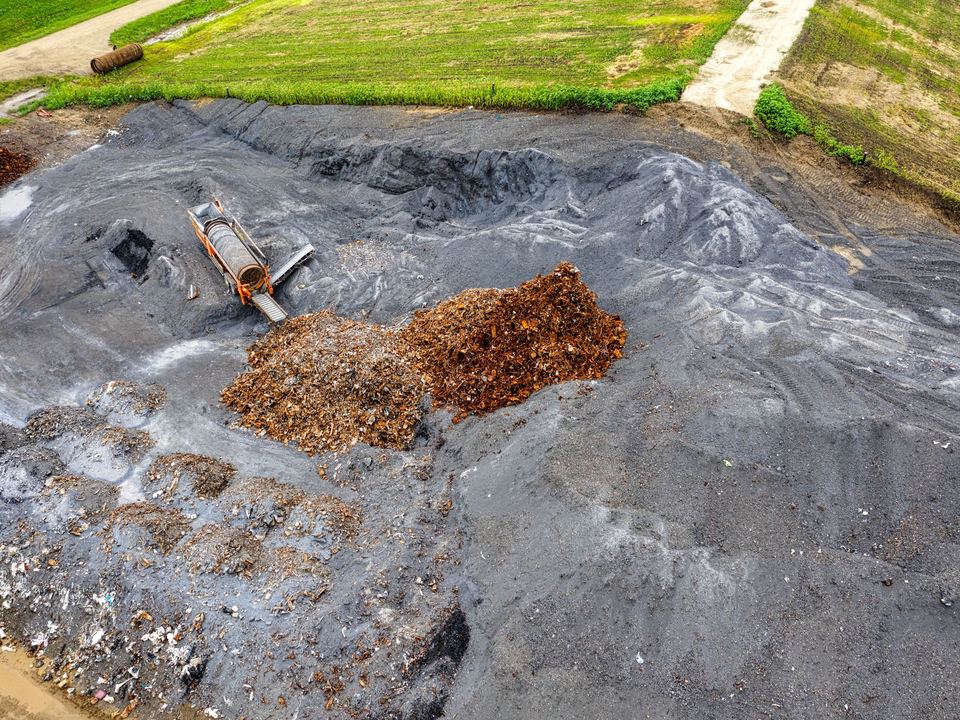
Indicative ex-works prices (US$, 2026) for budgeting a sample project, not quotations. Photos are illustrative of each machine class.
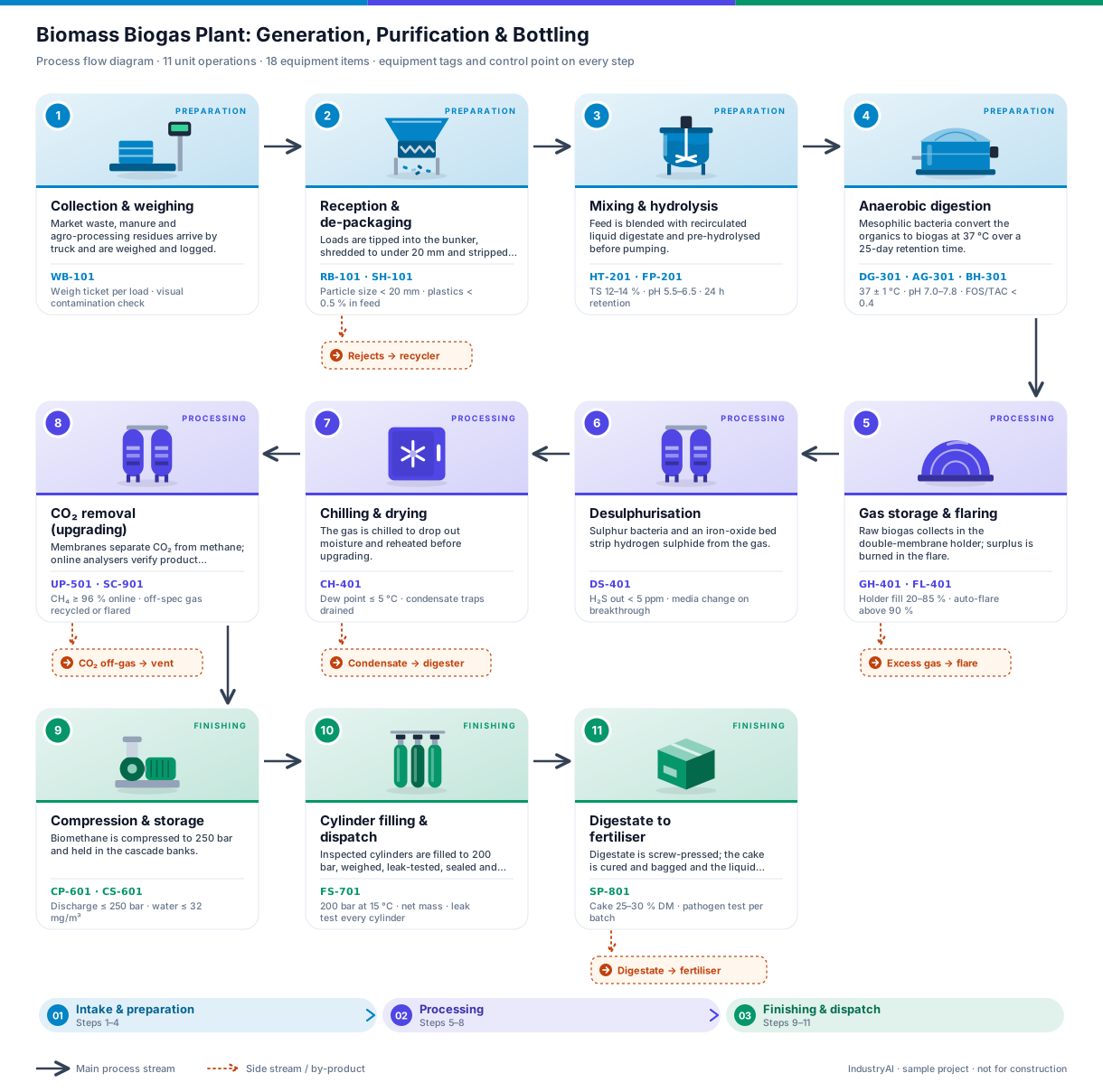
11 unit operations in order, with the equipment that performs each and its control point.
| Step | Operation | Equipment | Control point |
|---|---|---|---|
| 01 | Collection & weighingMarket waste, manure and agro-processing residues arrive by truck and are weighed and logged. | WB-101 Truck Weighbridge |
Weigh ticket per load · visual contamination check |
| 02 | Reception & de-packagingLoads are tipped into the bunker, shredded to under 20 mm and stripped of packaging.Rejects → recycler | RB-101 Feedstock Reception Bunker & ConveyorSH-101 Shredder & De-packaging Unit |
Particle size < 20 mm · plastics < 0.5 % in feed |
| 03 | Mixing & hydrolysisFeed is blended with recirculated liquid digestate and pre-hydrolysed before pumping. | HT-201 Hydrolysis & Mixing TankFP-201 Macerator Feed Pump |
TS 12–14 % · pH 5.5–6.5 · 24 h retention |
| 04 | Anaerobic digestionMesophilic bacteria convert the organics to biogas at 37 °C over a 25-day retention time. | DG-301 CSTR Anaerobic DigesterAG-301 Submersible Digester AgitatorBH-301 Biogas Boiler & Heat Exchanger |
37 ± 1 °C · pH 7.0–7.8 · FOS/TAC < 0.4 |
| 05 | Gas storage & flaringRaw biogas collects in the double-membrane holder; surplus is burned in the flare.Excess gas → flare | GH-401 Double-Membrane Gas HolderFL-401 Enclosed Safety Flare |
Holder fill 20–85 % · auto-flare above 90 % |
| 06 | DesulphurisationSulphur bacteria and an iron-oxide bed strip hydrogen sulphide from the gas. | DS-401 Biological Desulphuriser & Polisher |
H₂S out < 5 ppm · media change on breakthrough |
| 07 | Chilling & dryingThe gas is chilled to drop out moisture and reheated before upgrading.Condensate → digester | CH-401 Gas Chiller & Condensate Trap |
Dew point ≤ 5 °C · condensate traps drained |
| 08 | CO₂ removal (upgrading)Membranes separate CO₂ from methane; online analysers verify product quality.CO₂ off-gas → vent | UP-501 Membrane Biogas Upgrading UnitSC-901 SCADA Control Room & Gas Analysers |
CH₄ ≥ 96 % online · off-spec gas recycled or flared |
| 09 | Compression & storageBiomethane is compressed to 250 bar and held in the cascade banks. | CP-601 High-Pressure Bio-CNG CompressorCS-601 High-Pressure Cascade Storage |
Discharge ≤ 250 bar · water ≤ 32 mg/m³ |
| 10 | Cylinder filling & dispatchInspected cylinders are filled to 200 bar, weighed, leak-tested, sealed and dispatched. | FS-701 Cylinder Filling & Leak-Test Station |
200 bar at 15 °C · net mass · leak test every cylinder |
| 11 | Digestate to fertiliserDigestate is screw-pressed; the cake is cured and bagged and the liquid goes to farms.Digestate → fertiliser | SP-801 Digestate Screw Press & Bagging Line |
Cake 25–30 % DM · pathogen test per batch |
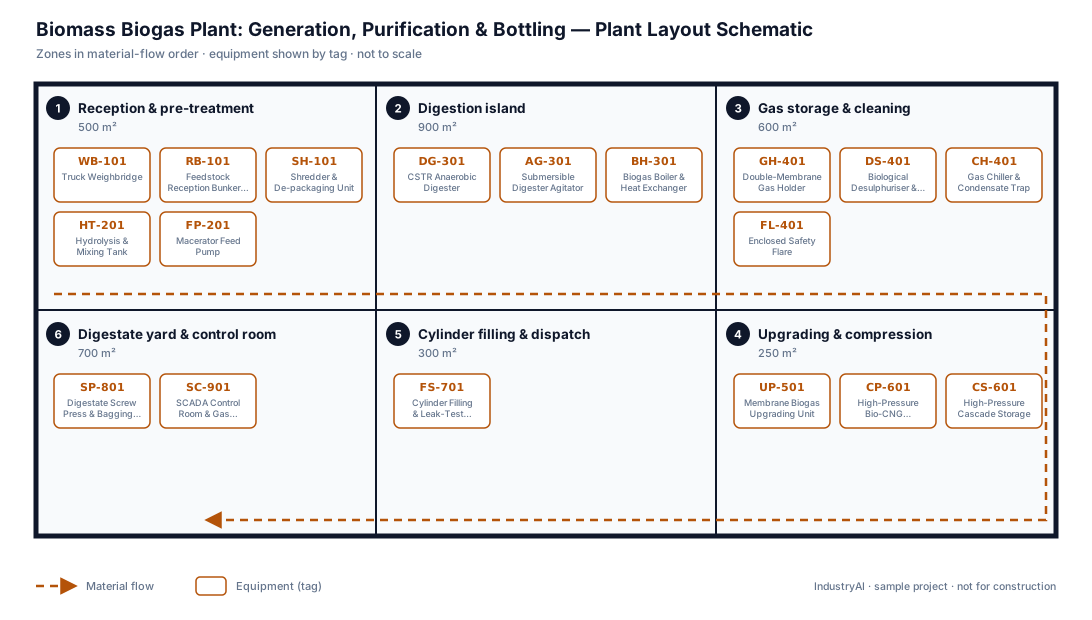
6 zones arranged for one-way material flow, with every item of equipment placed by tag.
Gate fees from markets and agro-processors turn their disposal problem into a revenue line.
96 % CH₄ bio-CNG carries about 45 MJ/kg, on par with LPG, and burns cleanly in converted burners.
ATEX-zoned gas plant, fixed methane and H₂S detection, an auto-flare and pressure relief on every stage.
Pressed digestate becomes about 700 t/yr of bagged organic fertiliser plus liquid feed for farms.
Metered methane capture and fossil-fuel displacement support roughly 4,000 tCO₂e/yr of credits.
The site, gas holder and flare are laid out for a second digester and a second membrane module.
The core routines operators follow, from start-up to batch release.
7 sections: open any one to read it, or download the whole document.
Mavuno Bio-Energy Ltd is a biomass-to-biogas plant in Thika, Kiambu County, next to fresh-produce markets, dairy and pig farms and fruit-processing plants. It takes in 30 tonnes a day of organic waste, digests it into about 1,800 m³ of raw biogas, upgrades that to biomethane of at least 96% methane and compresses it to 200 bar in cylinders sold as bio-CNG, a clean substitute for LPG and diesel. The digestate is pressed and bagged as organic fertiliser.
| Metric | Value |
|---|---|
| Feedstock | 30 t/day (market waste, manure, agro-residues) |
| Raw Biogas | ~1,800 m³/day at 55-60% CH₄ |
| Bio-CNG Output | ~725 kg/day (~240 t/year sold) |
| Organic Fertiliser | ~700 t/year bagged |
| Annual Revenue (Year 1) | KES 47,000,000 (~$362,000) |
| Annual Revenue (Year 3) | KES 72,400,000 (~$557,000) |
| Initial Investment | KES 195,000,000 (~$1,500,000) |
| EBITDA Margin (Year 3) | 49% |
| Simple Payback | ~6.3 years from start-up (~5 years with a 25% green-energy grant) |
| Employees | 18 |
| Stage | Process | Purpose | Equipment |
|---|---|---|---|
| 1 | Collection & Weighing | Record gate fees and mass balance | 60 t weighbridge |
| 2 | Pre-treatment | Shred to <20 mm, remove packaging | Reception bunker, shredder & de-packager (5 t/h) |
| 3 | Mixing & Hydrolysis | Blend to 12-14% solids, start breakdown | 150 m³ mixing tank, macerator feed pumps |
| 4 | Anaerobic Digestion | Convert organics to biogas (37°C, 25-day HRT) | 1,200 m³ CSTR digester, 3 agitators, 150 kW boiler |
| 5 | Gas Storage | Buffer ~9 hours of production | 700 m³ double-membrane gas holder |
| Stage | Process | Purpose | Equipment |
|---|---|---|---|
| 6 | Desulphurisation | H₂S from ~3,000 ppm to <5 ppm | Bio-trickling tower + iron-oxide polisher |
| 7 | Chilling & Drying | Remove water vapour (dew point 5°C) | Gas chiller & condensate trap |
| 8 | Upgrading | Remove CO₂ to reach ≥96% CH₄ | 2-stage membrane unit (100 Nm³/h) |
| 9 | Compression | Raise pressure to 250 bar | 4-stage compressor (60 Nm³/h) + cascade |
| 10 | Filling & Leak Test | Fill 50 L cylinders and bundles to 200 bar | 4-post filling station with leak-test bay |
| Feedstock | Tonnes/Day | Dry Solids | Biogas Yield | Commercial Terms |
|---|---|---|---|---|
| Fresh-produce market waste | 12 | ~15% | ~60 m³/t (720 m³/day) | Gate fee KES 500/t |
| Cattle & pig manure | 8 | ~18% | ~30 m³/t (240 m³/day) | Purchased at KES 500/t |
| Agro-processing residues (fruit peel, spent grain, coffee pulp) | 10 | ~16% | ~85 m³/t (850 m³/day) | Gate fee KES 650/t |
| Total | 30 | ~16% | ~1,810 m³/day | — |
Manure provides the buffering capacity and bacteria that keep the digester stable; market waste and agro-residues provide most of the gas. Supply is secured through 3-year agreements with the market management committee, four agro-processors and a farmers' cooperative, with a 20% oversupply margin.
| Licence / Approval | Authority | Timeline | Cost (KES) |
|---|---|---|---|
| EIA Licence (full study report) | NEMA | 3-6 months | 400,000 |
| Gas storage, filling & distribution licence | EPRA (Energy & Petroleum Regulatory Authority) | 3-4 months | 250,000 |
| Cylinder & fuel standards compliance | KEBS | 2-3 months | 200,000 |
| Workplace registration & pressure-vessel examination (OSHA 2007) | DOSH, via an Approved Person | 1-2 months, then yearly | 150,000 |
| Fire safety certificate | Kiambu County Fire Department | 1 month | 40,000 |
| Organic fertiliser registration | Fertilizer & Animal Foodstuffs Board / KEBS | 3-6 months | 120,000 |
| Parameter | Specification | Our Target | Frequency |
|---|---|---|---|
| Methane (CH₄) | ≥ 96% vol | 96.5-97% | Continuous online |
| Carbon dioxide (CO₂) | ≤ 3% vol | ≤ 2.5% | Continuous online |
| Oxygen (O₂) | ≤ 0.5% vol | ≤ 0.3% | Continuous online |
| Hydrogen sulphide (H₂S) | ≤ 16 mg/m³ (~10 ppm) | < 5 ppm | Continuous online |
| Moisture | ≤ 32 mg/m³ | ≤ 20 mg/m³ | Daily dew-point check |
| Filling pressure | 200 bar at 15°C | 200 bar settled | Every cylinder |
| Item | Cost (KES) | ~US$ |
|---|---|---|
| Digestion island (digester, agitators, boiler, mixing tank, pumps) | 51,000,000 | 392,000 |
| Feedstock reception (weighbridge, bunker, shredder) | 13,000,000 | 100,000 |
| Gas holder, desulphuriser, chiller & flare | 17,000,000 | 131,000 |
| Membrane upgrading unit | 32,000,000 | 246,000 |
| Compressor, cascade & filling station | 18,000,000 | 138,000 |
| Cylinder fleet (800 x 50 L + 4 bundles) | 20,000,000 | 154,000 |
| Digestate press & bagging line | 5,000,000 | 38,000 |
| SCADA, electrical & 100 kWp solar | 9,000,000 | 69,000 |
| Civil works, lagoon, buildings & roads | 15,000,000 | 115,000 |
| Cylinder delivery truck | 6,000,000 | 46,000 |
| Engineering, EIA, licences & commissioning | 5,000,000 | 38,000 |
| Working capital | 4,000,000 | 31,000 |
| Total | 195,000,000 | 1,500,000 |
| Revenue Stream | Year 1 | Year 2 | Year 3 |
|---|---|---|---|
| Bio-CNG (KES 190/kg; 168 / 216 / 240 t) | 31.9 | 41.0 | 45.6 |
| Bagged organic fertiliser (KES 24,000/t; 450 / 600 / 700 t) | 10.8 | 14.4 | 16.8 |
| Liquid digestate to farms | 0.8 | 1.2 | 1.5 |
| Gate fees (market waste & agro-residues) | 3.5 | 4.1 | 4.5 |
| Carbon credits (~4,000 tCO₂e, from Year 3) | — | — | 4.0 |
| Total Revenue | 47.0 (~$362k) | 60.7 (~$467k) | 72.4 (~$557k) |
| Operating Costs | 33.0 | 35.0 | 36.6 |
| EBITDA | 14.0 | 25.7 | 35.8 |
| Item | Annual (KES) |
|---|---|
| Staff salaries (18 employees) | 9,600,000 |
| Grid electricity (net of solar) | 7,000,000 |
| Feedstock haulage | 4,000,000 |
| Manure purchase | 1,500,000 |
| Cylinder distribution | 4,000,000 |
| Maintenance (membranes, compressor, agitators) | 4,000,000 |
| Consumables (desulphuriser media, bags, lab) | 2,500,000 |
| Insurance, licences & inspections | 2,000,000 |
| Administration & marketing | 2,000,000 |
| Total Annual OPEX | 36,600,000 |
Payback: EBITDA reaches ~KES 36 million a year at steady state, giving a simple pre-tax payback of about 6.3 years from start-up. A 25% capital grant from a green-energy or climate fund brings that to about 5 years. Each KES 10/kg change in the bio-CNG price moves annual EBITDA by about KES 2.4 million.
Kenya imports almost all of its LPG and diesel, so prices follow world oil prices and the exchange rate. Bio-CNG at 96% methane holds about 45 MJ/kg, roughly the same as LPG, and is made locally from waste. That gives buyers a steady, locally priced fuel and a lower-carbon supply chain they can report.
| Fuel | Typical Price (KES) | Energy Content | Cost per GJ (KES) |
|---|---|---|---|
| LPG (13 kg refill, retail) | ~230/kg | 46 MJ/kg | ~5,000 |
| Diesel | ~170/L | 36 MJ/L | ~4,700 |
| Mavuno bio-CNG | 190/kg | 45 MJ/kg | ~4,200 |
| Segment | Fuel Replaced | Share of Volume (Year 3) | Offer |
|---|---|---|---|
| Industrial heat (dairies, bakeries, food processors) | LPG, diesel, furnace oil | 50% | 12-cylinder bundles, burner conversion on lease |
| Institutional kitchens (schools, hospitals, hotels) | LPG, firewood | 30% | 50 L cylinder exchange on a delivery route |
| Feedstock partners (closed loop) | LPG, diesel boilers | 15% | Gas discount against gate fees |
| Transport fleets (CNG-converted vans, tuk-tuks) | Diesel, petrol | 5% (pilot) | Fleet refuelling from the cascade |
Key barrier: bio-CNG is stored at high pressure, so customers need a pressure-regulator kit and burners re-jetted for methane (about KES 25,000-60,000 per site). Mavuno leases the conversion kit and recovers its cost in the gas price over 24 months. Plant output (~240 t/year) is a tiny share of Kenya's LPG demand, so the constraint is converting customers, not market size.
Smallholder and horticulture farms in Kiambu, Murang'a and Machakos are shifting toward organic inputs as synthetic fertiliser prices swing. Bagged digestate at KES 1,200 per 50 kg bag sits below most branded organic fertilisers and is sold through agro-dealers and the partner cooperative.
| Phase | Months | Key Activities |
|---|---|---|
| 1. Development | 1-3 | Feedstock agreements, lab tests of biogas yield, NEMA EIA, EPRA application, financing |
| 2. Engineering & Procurement | 3-6 | Detailed design, ATEX zoning, orders for the upgrading unit and compressor (16-20 week lead time) |
| 3. Construction | 5-10 | Civil works, digester erection, gas train, electrical and SCADA, DOSH inspections |
| 4. Commissioning | 10-12 | Seed the digester with manure inoculum, raise loading over 6-8 weeks, first upgraded gas and cylinder fills |
| 5. Ramp-up | 13-24 | Reach 70% then 90% output, customer burner conversions, fertiliser registration and sales |
| Risk | Likelihood | Impact | Mitigation |
|---|---|---|---|
| Feedstock contamination or supply gaps | High | Medium | Contract limits on plastics and grit, de-packager, 20% oversupply, multiple suppliers |
| Digester upset (acidification) | Medium | High | FOS/TAC monitoring, feeding in small doses, manure buffer, operator training |
| Slow customer switching | Medium | High | Leased burner kits, anchor offtake contracts signed before construction |
| Licensing delays for a new fuel | Medium | Medium | Early engagement with EPRA and KEBS; flare or boiler use of gas in the interim |
| Gas leak, fire or H₂S exposure | Low | Very High | ATEX design, fixed detection with interlocks, permit-to-work, cylinder inspection regime |
| Membrane or compressor breakdown | Medium | High | Vendor service contract, critical spares on site, gas holder and flare as buffer |
| Currency movement on imported equipment | Medium | Medium | Fixed-price USD contracts hedged at order, local civil and fabrication content |
Equipment specifications, process flow diagrams, recipes and the business plan, bundled as one download.
We use strictly necessary cookies to sign you in and keep the site secure. With your consent we also use functional and analytics cookies to remember your preferences and understand which features get used. We do not use advertising cookies. Read our Cookie Policy.
Declining does not limit any paid feature. Change your choice any time via "Cookie Settings" in the footer.